 WHOIS
WHOIS
How to Find Out Who Owns an Email Address (5 Free Tracking Methods)
7 October 2026
An unknown email address is not a dead end. These five free methods, from a ten-second search to a header check, often reveal the person or organization behind it.
WHOIS Lookup Tool's admin writes practical guides on domains, DNS, IP addresses, SSL/TLS, email security and website security using free tools on this site
7 October 2026
An unknown email address is not a dead end. These five free methods, from a ten-second search to a header check, often reveal the person or organization behind it.
7 October 2026
A worrying email deserves a careful check before any reply. This step-by-step routine shows how to work out who is really behind an address, safely.
7 October 2026
Reverse email lookup turns an address back into a name. Here is how the free manual approach works, what lookup services really do, and how far to trust them.
7 October 2026
A website can have an owner, a publisher, a host, a registrar and a designer, and they are often different people. Here is how to find each one.
7 October 2026
Every public IP address is registered to an organization. This step-by-step guide shows how to find that owner, and why it rarely leads to a single person.
7 October 2026
A WHOIS record holds more than a name. This practical guide shows how to run a lookup, read each field, and reach a domain owner even when details are hidden.
7 October 2026
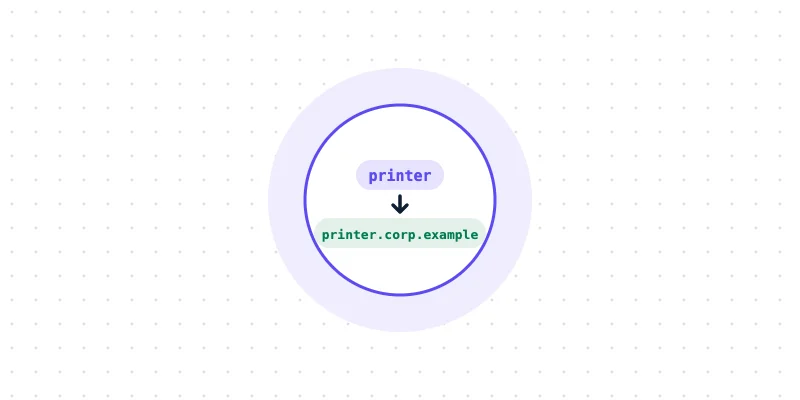
A search domain lets devices complete short names like "printer" into full addresses. Here is how it works, where it is configured, and when it causes trouble.
7 October 2026
Server logs are full of domain names: requested hosts, referrers, mail senders and DNS queries. Here is how to pull them out, count them and track them.
7 October 2026
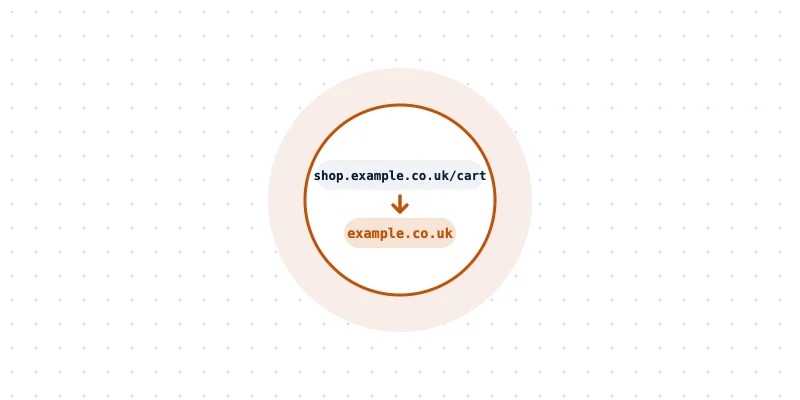
Turning a messy URL into the company domain behind it sounds easy until it meets co.uk or github.io. Here is the reliable method, step by step.
10 September 2026
A handful of technical signals — domain age, missing security configuration, DNS anomalies — can suggest a domain is worth a closer look. Here is how to read them responsibly.
10 September 2026
Every web response carries a three-digit status code. Here is what the main categories mean, and the specific codes worth actually knowing.
10 September 2026
Three DNS records work together to stop attackers from sending email that looks like it came from your domain. Here is what each one actually does.
10 September 2026
HSTS is a response header that tells browsers never to connect over plain HTTP again. Here is what problem it actually solves.
10 September 2026
The padlock icon in your browser represents an SSL/TLS certificate. Here is what it actually verifies, and what it does not.
10 September 2026
IP blacklists track addresses associated with spam or abuse. Here is what a listing actually means, why it happens even to innocent addresses, and how to check.
10 September 2026
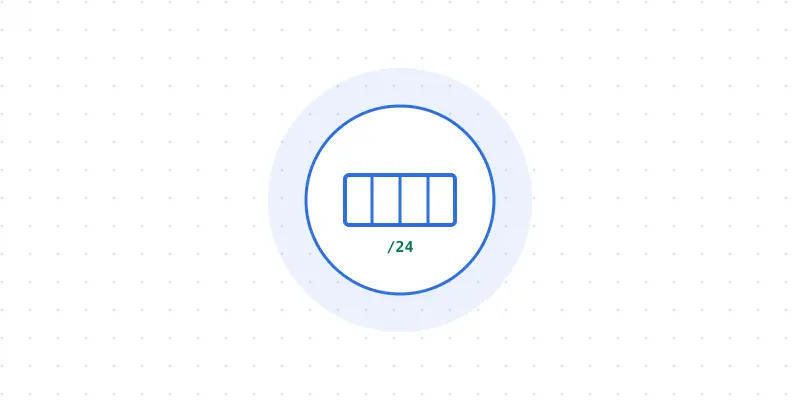
CIDR notation is the compact way networks describe a whole range of IP addresses at once, like 192.168.1.0/24. Here is how to actually read it.
10 September 2026
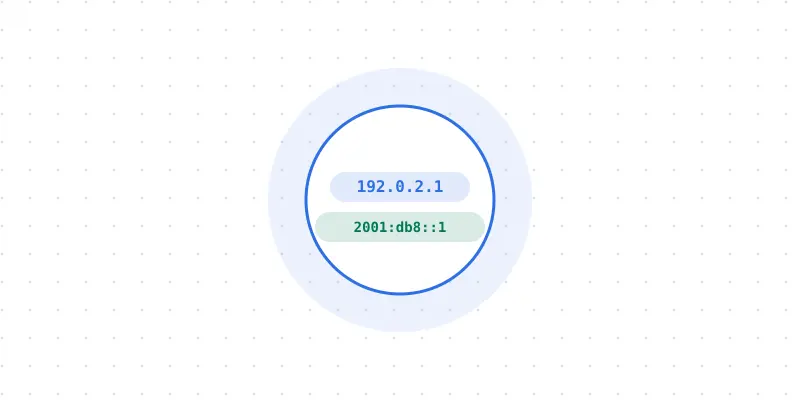
Every device on the internet needs an address. Here is why the internet has two different addressing systems running side by side, and how to tell them apart.
10 September 2026
A domain registration is not permanent — it is leased for a fixed period and must be renewed. Here is what actually happens if it lapses, and how to check the date yourself.
10 September 2026
RDAP is the modern replacement for the WHOIS protocol — structured, standardized, and built for machines to parse reliably. Here is what actually changed.
10 September 2026
WHOIS is the public record system that tells you who registered a domain, when, and through which registrar. Here is what it actually shows, and what it does not.